The Complete Guide to Varsity Jacket Numbers: History, Meaning, and Placement
There is something undeniably classic about a letterman jacket. Throw it over a hoodie or a crisp t-shirt, and you instantly channel a timeless, vintage aesthetic. But if you have ever looked closely at an authentic varsity jacket, you will notice it is more than just a piece of school spirit wear. It is a wearable biography. Every chenille patch, embroidered crest, and stitched digit tells a specific story about the wearer’s achievements, milestones, and identity.
Among all the patches and embroidery options available, varsity jacket numbers hold a place of special significance. Whether you see them proudly displayed on the sleeve, the chest, or the back, these numbers are much more than mere decoration. They are earned symbols of dedication, sweat, and triumph. If you are planning to customize your own jacket or simply want to understand the rich traditions behind letterman apparel, this comprehensive guide covers everything you need to know about varsity jacket numbers.
The Rich History Behind Varsity Numbers
To truly appreciate the power of numbers on a letterman jacket, we have to look back at where the tradition started. The varsity jacket concept was born in 1865 on the Harvard University baseball field. The team’s coach decided to reward his best players by stitching a large “H” onto the front of their gray flannel sweaters. Only starting players who performed well in crucial games were allowed to keep these sweaters at the end of the season, turning the garment into an immediate status symbol.
Over the decades, this tradition spread to football, track and field, basketball, and eventually high schools across North America. As high school and college sports evolved, athletes wanted a way to display their specific jersey numbers alongside their school letters. Schools began offering custom chenille digits to honor team captains, star players, and record-breakers. What started as a simple university baseball sweater transformed into a personalized canvas for athletic and academic pride.
Popular Meanings: Why Choose Specific Numbers?
When it is time to choose a number for your custom varsity jacket, the options are virtually endless. Some people stick strictly to their athletic roots, while others choose numbers with deeply personal or symbolic meanings. Here are the most common reasons people select specific digits:
- Jersey Numbers: The most traditional choice. If you played quarterback, point guard, or centerfielder, your game-day jersey number is a natural fit for your jacket sleeve or back.
- Graduation Years: High school and college seniors frequently use their graduation year (for example, “24” or “25”) to commemorate the exact class they belonged to and the era of their youth.
- Milestone Dates: Some choose a specific day or month that changed their lives—such as the date of a monumental championship win, a wedding anniversary, or a personal milestone.
- Lucky Numbers: Numerology and personal superstition play a massive role in sports. Classic numbers like 7, 13, 23, or 88 often find their way onto jackets because the wearer believes they bring good fortune.
- Family Legacy: Many athletes proudly wear the exact number their parent or older sibling wore before them, turning the varsity jacket into a multi-generational family heirloom.
Standard Placement Options for Jacket Numbers
Placement matters just as much as the numbers themselves. Where you decide to stitch your digits changes the entire look and balance of the jacket. Traditional tailors and modern customizers generally follow a few established guidelines when positioning numbers:
1. The Sleeves (Upper Arm or Forearm)
The sleeve is arguably the most iconic spot for a varsity jacket number. Typically placed on the upper right or left bicep area, a single-digit or double-digit chenille number balances out the school letter or mascot patch usually placed on the opposite chest. Some modern styles also place smaller numbers near the wrist cuff for a subtle, streetwear-inspired twist.
2. The Back Shoulders
If you want a bold, athletic look that mimics a professional sports jersey, placing large numbers across the upper back shoulders is the way to go. This placement makes a massive statement and ensures your chosen digits are visible from across the room or down the street.
3. The Front Chest
While the left chest is traditionally reserved for the chenille school letter, smaller numbers are sometimes embroidered on the right chest, right beneath the collar, or right inside the pocket trim. This creates a clean, symmetrical appearance.
Choosing the Right Materials and Styles
Not all jacket numbers are created equal. When designing a custom jacket, the texture and font of your numbers dictate whether the garment looks authentically vintage or sleek and modern.
- Chenille with Felt Borders: This is the gold standard. Thick, fuzzy chenille yarn surrounded by a stiff felt backing gives that classic high school letterman look. It has incredible depth and stands out sharply against wool bodies and leather sleeves.
- Direct Embroidery: For a cleaner, more minimalist look, direct satin-stitch embroidery stitches the numbers flat against the fabric. This option is lightweight and works wonderfully on lightweight satin jackets or modern windbreaker varsity styles.
- Felt Appliqué: Cut-out felt layered with zigzag stitching provides a retro collegiate style reminiscent of 1950s sportswear.
Design Tips for Crafting Your Custom Jacket
Putting together a varsity jacket is an art form. You want to make sure your numbers complement the overall design rather than cluttering it. Keep these professional styling tips in mind:
- Color Coordination: Match the felt outline of your numbers to your jacket’s body color, and let the chenille fill match your sleeve color (or vice versa). Consistency in your color palette creates a polished, high-end appearance.
- Font Style: Stick to traditional block collegiate fonts for a timeless heritage vibe, or experiment with classic athletic script fonts if you want something with extra flair.
- Less is More: Avoid overloading every inch of the jacket with numbers and patches. Letting a single, meaningful two-digit number take center stage on the sleeve often makes a much stronger visual impact.
Design Your Own Custom Varsity Jacket Today!
Ready to showcase your personal story, jersey number, and accomplishments? Crafting your dream jacket has never been easier. Choose your favorite wool and leather combinations, pick your custom chenille numbers, and build a timeless piece of outerwear designed to last a lifetime. Premium quality, expert craftsmanship, and fast delivery guaranteed.
Frequently Asked Questions
What materials are used to make custom varsity jackets and numbers?
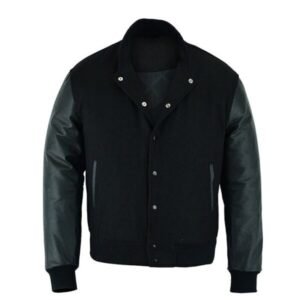
Authentic varsity jackets typically feature premium Melton wool bodies combined with genuine cowhide leather sleeves. The custom numbers are crafted using high-density chenille yarn with durable felt backings, ensuring they maintain their fluffy texture and vibrant color for decades.
Can I choose any number and color combination for my jacket?
Absolutely! When you order a custom jacket, you have total creative freedom. You can select single or double digits representing your favorite sports jersey, graduation year, or lucky number, and match the felt and chenille colors to your exact school or personal aesthetic.
How do I know what size varsity jacket to order?
Varsity jackets are designed to have a classic athletic fit with room for layering hoodies or sweaters. We recommend checking our detailed sizing chart, measuring chest width and sleeve length from a jacket that currently fits you well, or sizing up if you prefer an oversized, contemporary streetwear fit.
What is the shipping time for a custom varsity jacket with personalized numbers?
Because custom jackets require precise hand-crafting, embroidery, and chenille patch placement, production and delivery typically take between 2 to 3 weeks. We ensure every jacket undergoes strict quality control before it is carefully packaged and shipped straight to your doorstep.