The Timeless Appeal of Chenille Letters for Letterman Jackets
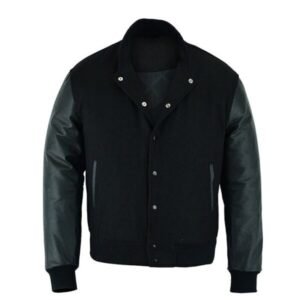
When you picture a classic high school athlete or a vintage campus style icon, what is the first thing that comes to mind? Chances are, it is a heavy wool-and-leather jacket adorned with a massive, textured letter stitched proudly across the chest. That iconic symbol is none other than the chenille letter—the beating heart and soul of traditional letterman and varsity jacket culture.
For generations, these fuzzy, dimensional patches have represented hard work, school pride, team spirit, and personal achievement. Whether you earned yours on the gridiron, the track, the debate stage, or simply adopted the aesthetic for its undeniable streetwear cool, chenille letters carry a legacy that modern printed graphics simply cannot touch. Let us take a deep dive into what makes chenille letters so special, how they are made, and why they remain an absolute staple in contemporary fashion.
What Exactly is Chenille? (And Why It Works So Well)
Before we talk about jackets, we need to talk about the material itself. The word “chenille” is actually French for “caterpillar,” which makes total sense once you touch the fabric. If you look closely at a chenille letter, you will notice its soft, tufted, caterpillar-like texture. This unique look and feel are achieved through a specialized weaving technique.
Manufacturers create chenille by placing short lengths of yarn between two “core” yarns and then twisting them tightly together. When the edges of these twisted yarns are cut, they stand out at a perpendicular angle to the core, creating that signature velvety pile. When applied to thick wool or felt for a letterman jacket, chenille creates a striking 3D effect that catches the eye and begs to be touched. It adds depth, warmth, and a touch of vintage nostalgia that flat embroidery simply cannot replicate.
The Anatomy of a Classic Letterman Letter
A traditional letterman letter is not just a piece of fabric slapped onto a jacket; it is a multi-layered work of art. Understanding the construction helps you appreciate why these letters hold up for decades without losing their charm.
- The Felt Backing: Most classic chenille letters feature a layered border made of stiff felt. Usually, there is a background layer of felt (the body) and one or two contrasting layers (inserts or borders) that make the letter pop against the jacket.
- The Chenille Center: The thick, fuzzy pile fills out the main body of the letter, providing that plush texture everyone loves.
- Merrowed or Chain-Stitch Borders: To keep the fuzzy chenille yarns from fraying, the edges are tightly locked down with a durable outer border made of tight embroidery thread. This ensures the letter can withstand weather, wear, and years of heavy use.
More Than Just Letters: Types of Chenille Embellishments
While the single block letter is the most famous, the world of chenille goes far beyond the standard alphabet. Customizing your jacket means you can mix and match various symbols to tell your unique story.
Masquots and Emblems: Sports mascots—like bulldogs, tigers, eagles, and 3D helmets—are frequently crafted in chenille. These intricate designs require skilled craftsmanship to capture facial expressions, feathers, or fur using only yarn and felt.
Activity Patches: Music notes, theater masks, megaphones, graduation caps, and science symbols are all popular choices. They allow students to showcase hobbies and club memberships outside of traditional athletics.
Numeric Accents: Graduation years (like “24” or “25”) or player jersey numbers are commonly added to the sleeves or pockets, usually rendered in smaller chenille blocks or sharp felt numbering.
A Short History of Pride and Achievement
The story of the chenille letter dates back well over a century. Legend has it that the trend started in 1865 at Harvard University, where the baseball team’s coach sewed a giant “H” onto the gray flannel pullovers of his star players. The rule was simple: only the best players got to wear the letter, and they had to earn it by playing in important games.
Over the decades, this tradition spread to football teams, basketball squads, and high schools across America. Earning a “letter” became a monumental rite of passage for teenagers. It meant you had sacrificed your afternoons, pushed your physical limits, and dedicated yourself to a team. Even when the athletic sweater evolved into the modern button-up varsity jacket with leather sleeves, the chenille letter remained the undisputed crown jewel of the garment.
How Chenille Letters Conquered Streetwear and Pop Culture
You do not have to be a varsity athlete to rock a chenille letter today. Over the past few decades, high-end fashion houses, hip-hop artists, and streetwear brands have embraced varsity jackets as the ultimate canvas for self-expression.
Icons from the golden eras of hip-hop, college campus trendsetters, and modern runway models have all made the chenille-adorned jacket a staple of cool-weather style. Because you can completely customize colors, fonts, and layouts, people use chenille letters to spell out hometown area codes, favorite phrases, brand names, or personal initials. It is a way to wear your identity quite literally on your sleeve.
Caring for Your Chenille Letters
Because chenille is made of yarn and felt, it requires a little bit of love and attention to keep it looking crisp. Here are a few simple tips to ensure your chenille patches stay fluffy and vibrant for years:
- Avoid Harsh Washing: Never toss a wool-and-leather jacket with chenille patches into a standard washing machine. The agitation can ruin the felt backing and flatten the yarn.
- Spot Clean When Possible: If you spill something on your jacket, use a damp cloth with mild soap to gently dab the area. Avoid rubbing, as this can tangle the chenille fibers.
- Professional Dry Cleaning: Take your jacket to a trusted dry cleaner who has experience handling genuine leather, wool, and structured patches.
- Proper Storage: Hang your jacket on a wide, sturdy hanger during the off-season to maintain the shoulders and prevent the heavy wool from sagging.
Design Your Own Legacy Today
Ready to build a jacket that tells your story? Whether you want to honor your athletic roots, create custom merch for your brand, or design a timeless piece of outerwear featuring your personal initials, the right chenille letters make all the difference. Stop settling for generic jackets off the rack when you can build something entirely unique.
Ready to Create Your Custom Masterpiece?
Choose your colors, pick your fonts, and add premium, authentic chenille letters to your wardrobe. Premium quality, endless customization options, and fast delivery guaranteed.
Frequently Asked Questions
What materials are used to make traditional chenille letters?
Traditional chenille letters are crafted using a combination of thick, fuzzy cotton or wool yarn (which forms the raised, caterpillar-like center) mounted onto multiple layers of stiff felt backing. The edges are tightly secured with a durable merrowed stitch or chain-stitch border to prevent fraying and ensure long-lasting durability.
Can I customize the colors and fonts of my chenille letters?
Yes! When you order a custom jacket, you have full control over the aesthetic. You can choose the primary felt color, inner felt insert colors, and the shade of the chenille yarn itself. We offer a wide range of classic block fonts, script lettering, and numeric styles to match your exact vision.
How do I clean my varsity jacket without damaging the chenille patches?
The best way to clean a varsity jacket with chenille patches is through professional dry cleaning, specifically by a specialist experienced in handling genuine leather, wool, and textured patches. For minor stains, you can gently spot-clean the area using a soft cloth, mild soap, and lukewarm water, making sure not to vigorously scrub the delicate yarn fibers.
What is the typical turnaround time for an order?
Because custom varsity jackets with personalized chenille letters are carefully crafted by hand to your exact specifications, production and delivery usually take between 2 to 3 weeks. We work efficiently to ensure your custom piece arrives quickly without ever compromising on elite craftsmanship.