Decoding Varsity Jacket Materials: Wool, Leather, Fleece, and More
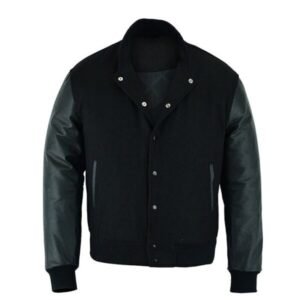
When you picture a classic varsity jacket, what comes to mind? For most of us, it is that heavy wool body paired with contrasting leather sleeves, finished off with striped ribbed collars and cuffs. It is a timeless silhouette steeped in sports history and street style heritage. But if you have ever tried to buy one, you know the options do not stop at the traditional look.
Jacket materials have evolved significantly. Whether you want a rugged, traditional look built to withstand freezing Friday night football games, a lightweight windbreaker for transitional spring weather, or a cruelty-free vegan alternative that still packs a style punch, your choice of fabric changes everything. It dictates the weight, price, warmth, maintenance, and overall aesthetic of your jacket.
Let’s break down the most popular jacket material types used in modern outerwear and custom apparel so you can choose the right fabric for your next custom piece.
1. The Classic Heavyweights: Wool and Genuine Leather
If authenticity is what you are after, the traditional combination of wool and real leather is unmatched. This pairing has defined letterman jackets for over a century.
Melton Wool: The Body Fabric
Melton wool is the gold standard for varsity jacket bodies. It is a heavy, densely woven woolen fabric that has been sheared, carded, and heavily fulled (a process of beating and soaking to mat the fibers together). This creates a thick, wind-resistant, and remarkably warm material.
- Pros: Excellent insulation, holds its structure well, naturally repels light moisture, and has a rich, premium texture.
- Cons: Can feel heavy if you prefer lightweight layers; requires dry cleaning to maintain its shape and texture.
- Best For: Cold weather wear, authentic vintage styling, and heavy-duty custom patches and embroidery.
Genuine Cowhide Leather: The Sleeve Standard
Real leather sleeves add structure, durability, and that iconic high-end sheen to a varsity jacket. Cowhide is the most common choice because it is tough, abrasion-resistant, and molds to your body over time, getting softer the more you wear it.
- Pros: Incredible durability, ages beautifully with a unique patina, and offers superior wind protection.
- Cons: Requires a break-in period; needs regular conditioning to prevent drying out; heavier than alternative materials.
- Best For: Traditionalists who want a lifetime garment that only looks better with age.
Sheepskin and Goatskin Leather
For those who love real leather but want something a bit more supple right out of the box, sheepskin and goatskin are fantastic alternatives. Sheepskin is buttery soft and lightweight, while goatskin offers a distinct pebble-grain texture and high tensile strength.
2. Modern Alternatives: Vegan Leather and Synthetics
Fashion is shifting toward more accessible, ethically conscious, and weather-resistant materials without sacrificing visual appeal.
PU (Polyurethane) and Faux Leather
PU leather is a synthetic material made by coating a fabric base (like polyester or cotton) with a polyurethane finish and treating it to look and feel like animal hide. For many buyers, faux leather is the preferred route.
- Pros: 100% cruelty-free, typically more affordable, lighter weight, and easier to clean with a damp cloth if you spill something.
- Cons: Does not breathe as well as genuine leather; over many years, it may crack or peel if exposed to extreme heat or poor care.
- Best For: Budget-conscious shoppers, animal-friendly wardrobes, and casual everyday styling.
Fleece and Cotton-Blend Bodies
Not every varsity jacket needs to be built for freezing winter conditions. Cotton fleece, french terry, and heavy poly-cotton blends are widely used for casual, sporty varsity jackets.
- Pros: Soft, breathable, machine washable, and much more comfortable for indoor wear or milder climates.
- Cons: Less wind and rain resistance; lacks the structured, rigid silhouette of traditional wool.
- Best For: Athleisure looks, transitional fall/spring weather, and comfortable daily wear.
3. Lining Materials: What Goes on the Inside?
What is on the inside matters just as much as the outer shell. A jacket’s lining dictates how easily it slides over sweaters and t-shirts, as well as how warm it feels.
- Quilted Satin or Polyester Padding: Best for cold climates. The diamond-stitched quilting holds lightweight insulation in place, trapping body heat efficiently.
- Smooth Satin or Tafetta: Perfect for a sleek look. It glides effortlessly over shirts and adds a luxurious feel when you slip your arms into the sleeves.
- Cotton Jersey Lining: Soft and casual, offering a comfortable, sweatshirt-like feel against your skin.
4. Ribbing, Hardware, and Trim Materials
The details make or break a jacket. When inspecting quality, look closely at the trims:
- Acrylic and Wool-Blend Ribbing: Used for the collar, cuffs, and waistband. A tight knit prevents stretching out over time and keeps cold drafts out. Look for yarn-dyed stripes that won’t fade in the wash.
- Metal Snaps and Zippers: Heavy-duty brass or stainless steel snaps ensure your jacket fastens securely. Cheap plastic snaps break easily under tension.
Ready to Create Your Own Custom Jacket?
Now that you know your wools from your leathers, why not design a piece that matches your exact style? Choose your colors, select premium materials, and add custom embroidery or patches today.
Frequently Asked Questions
What is the warmest varsity jacket material combination?
The warmest traditional combination is a heavy Melton wool body paired with genuine cowhide leather sleeves and a quilted satin inner lining. The dense wool blocks external cold, the thick leather shields against bitter winds, and the quilted interior traps your body heat.
Are vegan leather varsity jackets durable?
Modern PU (polyurethane) faux leather has come a long way in terms of durability. While it won’t age and develop a patina quite like real cowhide over decades, high-quality faux leather is resilient, water-resistant, and will easily last for several seasons with proper care.
How do I clean a wool and leather varsity jacket?
Because these jackets combine two very different materials, they almost always require professional dry cleaning by a cleaner who specializes in leather and wool care. Putting a genuine leather-sleeved jacket in a home washing machine will ruin the hide.
Can I choose lightweight materials for a custom jacket if I live in a warm climate?
Yes, absolutely. Many manufacturers offer lighter fabric configurations, such as cotton fleece bodies paired with faux leather or fabric sleeves, or satin shell bomber styles that offer the varsity aesthetic without the heavy winter insulation.