The Ultimate Guide to Varsity Jacket Style
There is something about a classic varsity jacket—often called a letterman jacket—that never seems to go out of style. Whether you remember them from old movies, high school hallways, or just seeing them on the street, these jackets carry a specific kind of weight. They represent history, team spirit, and a laid-back cool that feels just as relevant today as it did decades ago.
But why is this specific piece of outerwear so persistent? It’s not just about nostalgia. It’s about how these jackets manage to bridge the gap between sportswear and high fashion, becoming a canvas for personal expression. In this guide, we’re going to break down everything you need to know about choosing, wearing, and caring for your varsity jacket.
What Exactly Is a Varsity Jacket?
To understand why these jackets are iconic, you have to look at where they came from. Originally, these were wool jackets with leather sleeves, and they were designed exclusively for athletes at elite universities. That “letter” on the chest? That wasn’t just decoration. It was a status symbol, earned through sweat and hard work on the field.
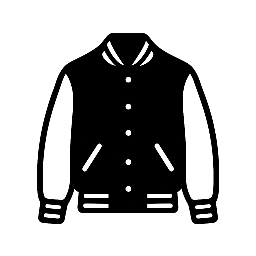
Today, the term “varsity” and “letterman” are used interchangeably, though purists might argue over the finer details. Generally, a true varsity jacket features a body made of boiled wool (for warmth and structure) and sleeves made of genuine leather or high-quality faux leather. The cuffs, collar, and hem are usually finished with ribbed knit, often featuring striped patterns that add a touch of athletic flair.
Key Features to Look For
- Material Quality: If you want a jacket that lasts, look for heavy-weight wool for the body. It should feel substantial, not thin or flimsy.
- Sleeve Texture: Genuine leather is the gold standard for durability and that distinct “aged” look, but high-grade vegan leather has come a long way if you prefer a cruelty-free option.
- The Fit: Historically, these jackets were a bit boxy. Modern cuts often lean toward a more tailored, slim-fit silhouette, but the classic “bomber-style” shape remains the most versatile.
- Hardware: Check the snaps. They should be heavy-duty and easy to fasten. Cheap plastic or loose metal snaps are a red flag.
Styling Your Varsity Jacket: Beyond the Field
One of the best things about owning a varsity jacket is its versatility. You can throw one on with almost anything, and it immediately adds a sense of purpose to your outfit. Here are a few ways to style yours without looking like you’re heading back to 10th-grade gym class.
The Casual Everyday Look
Keep it simple. A pair of well-fitting raw denim jeans, a plain white t-shirt, and a clean pair of leather sneakers or classic high-tops is the perfect backdrop for a colorful varsity jacket. Let the jacket be the focal point of your outfit. If your jacket is neutral (like black and grey), you can experiment more with your shirt or footwear colors.
The “Smart-Casual” Approach
Yes, you can wear a letterman jacket to a more casual office or a dinner date. Pair a dark-colored varsity jacket with slim-fit chinos and an oxford shirt or a high-quality knit sweater underneath. By keeping the colors muted and the fit sharp, the jacket transforms from a piece of athletic gear into a refined outer layer.
Layering for Colder Months
Varsity jackets are great for transitional weather. As temperatures drop, start layering. Wear a hoodie under your jacket, but ensure the jacket has enough room in the shoulders. This look is a streetwear staple. If it’s truly cold, add a scarf, but avoid overly bulky items that interfere with the jacket’s unique silhouette.
Choosing the Right Color Palette
Color choice changes the entire vibe of the piece. If you want something that integrates easily into your existing wardrobe, lean toward monochrome options—all black, navy on navy, or shades of grey. These pieces are subtle and can be paired with almost anything.
If you want to make a statement, look for contrasting colors. The classic “team” look usually involves deep colors like maroon, forest green, or royal blue combined with white or cream sleeves. These jackets lean harder into the vintage athletic aesthetic. When you choose a bright jacket, remember that it’s the hero piece of your outfit; keep everything else relatively subdued to avoid clashing.
How to Take Care of Your Jacket
Because these jackets often mix two different materials (wool and leather), they can be tricky to clean. You shouldn’t just toss them in the washing machine.
Maintenance Tips
- Spot Clean When Possible: If you get a small stain, use a damp cloth and a mild soap specifically designed for wool.
- Leather Care: Use a leather conditioner on the sleeves every few months to keep the material from cracking or drying out.
- Professional Cleaning: If the jacket is heavily soiled, take it to a professional dry cleaner who is experienced with leather and delicate fabrics. Mention the materials specifically when you drop it off.
- Storage: Always hang your jacket on a sturdy, wide-shoulder hanger. If you let it sit on a thin wire hanger, the heavy weight of the wool will eventually warp the shoulder structure of the garment.
Why the Varsity Jacket Remains Timeless
Trends in fashion move incredibly fast. One year everyone is wearing oversized silhouettes, and the next, everything is cropped and fitted. Through all of that, the varsity jacket has remained a constant. It doesn’t rely on being “trendy.” It relies on having a structural design that works.
The letterman jacket is a rare piece of clothing that manages to feel personal. Whether you keep it clean and minimal or customize it with patches that tell your own story, it’s a jacket that feels like yours the moment you put it on. It’s not just an outer layer; it’s a piece of apparel with character. When you invest in a well-made varsity jacket, you aren’t just buying something to keep you warm for a season—you’re buying a piece that will look better the more you wear it.
So, take your time when picking one out. Look for the materials that feel right, choose a color that fits your lifestyle, and don’t be afraid to wear it hard. After all, that’s what these jackets were made for.