The Ultimate Guide to Designing Your Own Custom Varsity Jacket
There is something undeniably timeless about a varsity jacket. Originally worn by athletes on Ivy League campuses to display their hard-earned letters, this classic outerwear piece has evolved far beyond the sports field. Today, a varsity jacket is a blank canvas for personal style, team spirit, brand identity, and creative expression. Whether you want to channel vintage Americana, showcase your school pride, or create unique merchandise for your clothing brand, designing your own jacket allows you to bring your exact vision to life.
If you have ever stared at a blank product template and wondered where to start, you are in the right place. Creating a custom letterman jacket can feel overwhelming with all the available color combinations, leather types, patches, and embroidery options. This comprehensive guide walks you through every single step of the design process, helping you avoid common mistakes and craft a jacket that turns heads everywhere you go.
1. Choose Your Base Materials: Wool, Leather, and Fleece
The foundation of any great varsity jacket lies in its materials. The classic combination features a heavy-duty wool body paired with genuine leather sleeves. However, modern customization offers several distinct pathways depending on your budget, ethics, and aesthetic preferences.
The Traditional Wool Body
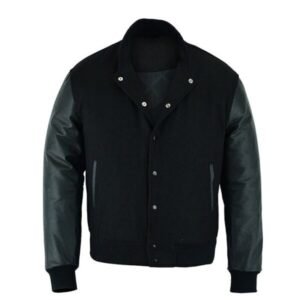
Melton wool is the gold standard for varsity jacket bodies. It provides structure, weight, and exceptional warmth during cooler months. When picking your wool color, think about versatility. Darker shades like black, navy, charcoal, and dark green are timeless and hide everyday wear remarkably well. Brighter shades like royal blue, crimson, or mustard yellow make a bold, retro statement.
Sleeves: Genuine Leather vs. Vegan Leather vs. Fleece
The sleeves define the character of your jacket. Here is how the options stack up:
- Cowhide Leather: Durable, stiff at first but breaks in like a dream, offering that authentic, heavyweight vintage feel.
- Sheepskin or Lambskin Leather: Softer and more pliable right out of the box, offering a luxurious, premium hand-feel.
- Vegan/Faux Leather: An animal-friendly alternative that has advanced significantly in quality, offering great durability and a sleek look without using animal products.
- Fleece or Wool Sleeves: Perfect for a more casual, uniform jacket style or for those who prefer a lighter, non-leather garment.
2. Selecting Your Color Palette
Color coordination can make or break your design. While you can technically combine any colors you want, keeping a few fundamental design rules in mind ensures a polished final product.
The classic approach relies on a two-color or three-color scheme. Typically, you choose a primary body color, a secondary sleeve/trim color, and an accent color used for piping, snap buttons, and embroidery outlines. If you are designing for a school, sports team, or corporate brand, stick closely to your established brand guidelines. If you are designing purely for fashion, consider monochromatic palettes (like an all-black jacket with black leather sleeves and subtle tonal embroidery) or high-contrast combinations like cream wool with forest green sleeves.
3. Choosing the Right Fit and Cut
How do you want your jacket to fit? The cut drastically changes the vibe of the garment.
- Traditional/Classic Fit: Sits comfortably at the waist with room for layering. Ideal for a traditional athletic look.
- Modern Slim Fit: Tailored closer to the body with slightly slimmer sleeves for a sharp, contemporary silhouette.
- Oversized/Streetwear Fit: Dropped shoulders, boxy cut, and extra room in the body. Perfect if you are leaning into a 90s hip-hop or modern streetwear aesthetic.
Always consult the brand’s sizing chart before ordering. Remember that heavy wool and leather do not stretch significantly, so factor in what you plan to wear underneath your jacket—whether it is a simple t-shirt or a thick hoodie.
4. Customizing the Ribbing, Collars, and Cuffs
The ribbed knit trim found on the collar, cuffs, and waistband adds subtle detail that ties the whole jacket together. You can choose solid colors or add custom stripes (such as single, double, or triple stripes).
When selecting stripe colors, match them to your accent color or your sleeve color to create visual harmony. Additionally, consider whether you want a standard stand-up ribbed collar, a hoodie attachment, or a classic fold-down collar for a more vintage collegiate look.
5. Adding Patches, Chenille Letters, and Embroidery
This is where the magic happens. Embellishments turn a standard jacket into *your* jacket. Plan out your placement carefully before adding graphics:
Chenille Letters and Numbers
Traditional block letters or script fonts made from fuzzy chenille fabric give that authentic letterman appearance. Place large initials or numbers on the left chest or across the back.
Embroidery
Direct embroidery works best for intricate details, names, dates, or small logos on the chest, right sleeve, or upper back. It is clean, durable, and lays flat against the fabric.
Felt and Leather Applique Patches
Use custom patches to showcase mascots, hobby symbols, graduation years, or brand logos. Placing a massive statement patch across the back is one of the most popular ways to make a jacket stand out.
Ready to Bring Your Design to Life?
Stop imagining your dream jacket and start building it today. Choose your colors, add your custom embroidery, and experience unmatched craftsmanship with our custom jacket builder.
6. Common Design Mistakes to Avoid
To ensure your custom jacket turns out looking like a high-end fashion piece rather than a cluttered mess, keep these quick tips in mind:
- Over-cluttering: Avoid putting patches on every single inch of the jacket. Leave some negative space so the eye knows where to rest.
- Ignoring Contrast: If your wool body and leather sleeves are both dark brown, your chest embroidery might get lost. Ensure there is enough contrast between the text/patches and the background fabric.
- Forgetting Functionality: Think about pocket placement and lining. Adding an inside pocket is always a great way to keep your phone and wallet secure.
Frequently Asked Questions
What materials are used to make custom varsity jackets?
Our custom varsity jackets feature premium Melton wool bodies paired with your choice of genuine cowhide leather, sheepskin leather, vegan leather, or matching wool sleeves. The interiors are lined with comfortable, quilted satin to keep you warm and cozy.
How do I know what size to order?
We provide a detailed sizing chart on our product page with measurements for chest width, sleeve length, and jacket length. We recommend measuring a jacket that currently fits you well and comparing those numbers to our chart. If you plan to wear thick hoodies underneath, consider sizing up.
Can I use my own custom logo and artwork?
Yes! You can upload your own custom logos, artwork, text, and select specific patch styles. Whether it is a personal monogram, a sports team logo, or brand merchandise, our team ensures your design is translated cleanly into high-quality embroidery and patches.
What is the typical production and shipping time?
Because each jacket is meticulously handcrafted to your exact design specifications, production typically takes between 7 to 14 business days. Once crafted, we ship your custom jacket directly to your doorstep with fast and reliable delivery services.
Designing a varsity jacket is a rewarding creative project that results in a garment you will wear for years to come. By carefully selecting your materials, dialing in your color scheme, and adding thoughtful embroidery, you end up with a wearable piece of art that reflects your unique personality. Are you ready to create yours? Order Custom Varsity Jacket today and experience premium quality craftsmanship firsthand.